

Master Key Systems in Houston, TX
Express Locksmith designs master key systems in Houston, TX for offices, retail properties, apartment communities, warehouses, medical facilities, schools, and other multi-door buildings. A properly planned system gives different users different access levels while allowing authorized managers or owners to operate broader groups of locks with fewer keys.
The value comes from careful planning. We map the doors, define user roles, review compatible hardware, establish the key hierarchy, and document the finished system so future turnover and expansion remain manageable. For a broader overview of commercial, residential, emergency, automotive, and key solutions, explore our locksmith services in Houston.
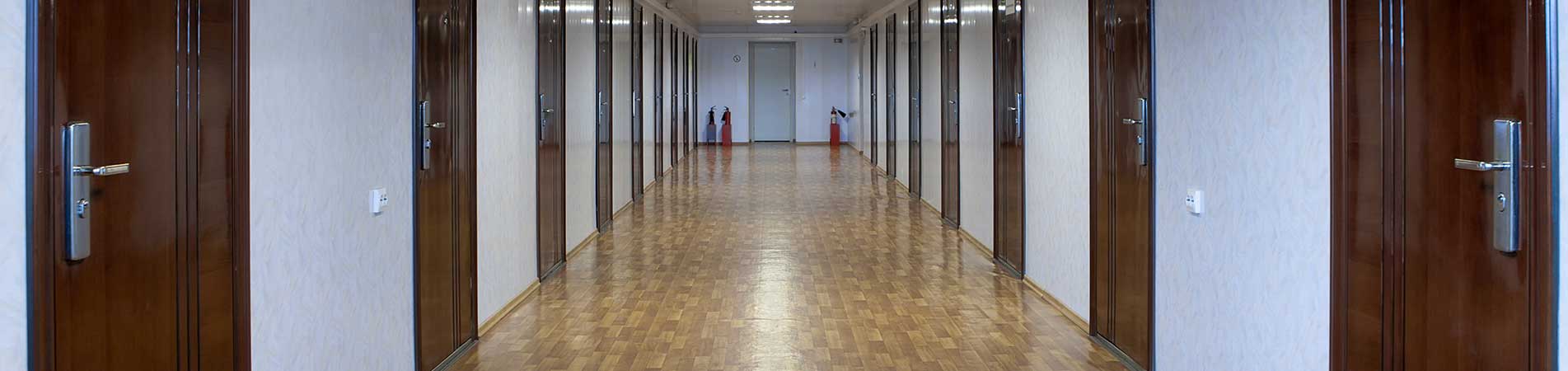
How Master Key Systems in Houston, TX Work
A master key system is a planned hierarchy in which individual keys operate specific locks while higher-level keys open broader groups. It is not simply a collection of locks that all use one key.
- Change key: Opens one lock or a limited group assigned to a user, office, tenant, or department
- Master key: Opens a defined collection of locks within a floor, suite, department, or building
- Grand master key: Opens multiple master-key groups across a larger property or organization
- Great-grand master key: May be used in larger, carefully controlled hierarchies spanning several buildings or divisions
For broader business lock, rekeying, hardware, and access needs, visit our commercial locksmith in Houston.
Master Key System vs. Keyed-Alike Locks
| Configuration | How It Works | Best Fit |
|---|---|---|
| Keyed alike | One key opens every compatible lock in the group. | Small properties where every authorized user may access every included door. |
| Master keyed | Individual keys open assigned doors while a master key opens the full group. | Offices, rentals, retail properties, and facilities with different access roles. |
| Grand master keyed | Several master-key groups operate beneath a higher-level key. | Larger campuses, multi-building properties, or organizations with several departments. |
| Rekeyed only | Old keys stop working, but no hierarchy is created unless one is specifically planned. | Simple access resets after lost keys, moves, employee turnover, or tenant changes. |
A keyed-alike setup is convenient but gives every keyholder the same access. A master key hierarchy provides more control by limiting each user to the doors required for their role.
Benefits of a Properly Designed Master Key System
Fewer Keys for Authorized Managers
Managers, owners, and maintenance personnel can carry one approved key instead of a separate key for every door they are authorized to enter.
Role-Based Access
Employees, tenants, vendors, and contractors receive access only to the spaces required for their responsibilities.
Faster Turnover Management
When a tenant or employee leaves, affected locks can often be rekeyed within the existing hierarchy instead of redesigning the entire property.
Better Key Accountability
A documented schedule identifies which key operates which doors and helps property managers track key issuance and recovery.
Planned Growth
A system can reserve expansion capacity for future offices, suites, departments, or buildings when that growth is considered during the initial design.
Stronger Duplication Control
Pairing the hierarchy with high-security locks and restricted keyways can reduce unauthorized duplication.
How We Design a Master Key System
- Map the property: Document exterior doors, offices, suites, storage rooms, utility areas, restricted spaces, and future openings.
- Define user groups: Identify owners, managers, employees, tenants, maintenance teams, vendors, and emergency personnel who may require access.
- Assign access levels: Determine which users need individual-door access and which roles require broader authority.
- Inspect the hardware: Review lock brands, cylinder types, keyways, condition, door use, and compatibility.
- Select the key system: Compare standard, restricted, and high-security options based on duplication control and budget.
- Create the hierarchy: Build a logical key schedule with room for planned expansion where appropriate.
- Install and test: Rekey or replace compatible locks, issue approved keys, and verify each access level.
- Document the system: Provide organized records so future rekeys and additions can be handled without guesswork.
Master Key Planning for Property Managers
Apartment communities, commercial landlords, and property-management firms frequently need to coordinate tenants, maintenance personnel, vendors, cleaners, leasing staff, and ownership access. A poorly documented system can create missing keys, excess duplication, and confusion during turnover.
- Individual keys for tenant suites or assigned areas
- Management access across designated units or common spaces
- Maintenance access limited to approved operational areas
- Controlled keys for mechanical, storage, and utility rooms
- Planned rekeying during move-outs and staff changes
- Documented key issuance and return procedures
Our guide to master key systems for property managers explains how organized access can simplify daily operations and tenant turnover.

Properties That Benefit From Master Key Systems
- Office buildings and shared workspaces
- Retail centers and multi-tenant commercial properties
- Apartment communities and rental portfolios
- Warehouses and distribution facilities
- Medical offices, clinics, and professional practices
- Schools, training facilities, and campuses
- Municipal and administrative buildings
- Storage facilities and equipment yards
- Hospitality and multi-room properties
- Religious, nonprofit, and community facilities
Not every property needs a complex hierarchy. Smaller buildings may be better served by keyed-alike locks, selective rekeying, or a limited master level. The system should match actual operations rather than becoming more complicated than necessary.
Rekey Existing Locks or Replace the Hardware?
Many compatible locks can be rekeyed into a master key hierarchy when the hardware is in good condition and uses suitable keyways. Replacement may be necessary when the existing locks are worn, inconsistent, damaged, incompatible, or inadequate for the property’s traffic and security needs.
Rekey Existing Locks When:
- The hardware operates reliably
- The cylinders are compatible with the planned hierarchy
- Old keys need to stop working
- The property wants to control cost
Replace Locks When:
- Hardware is worn, damaged, or unreliable
- Several incompatible keyways are installed
- Stronger key control or attack resistance is needed
- The existing products are unsuitable for traffic levels
Our lock change and rekey comparison explains the difference between preserving compatible hardware and installing new locks.
For a closer cost comparison, read our article on whether it is cheaper to rekey or replace master-keyed locks.
Master Key Security and Key-Control Practices
A master key carries broader authority than an ordinary change key, so the system must be supported by clear administrative controls.
- Limit master-level keys to users who genuinely require broad access
- Number or identify keys without exposing sensitive access information
- Record issuance, return dates, replacements, and lost-key incidents
- Store unused master keys in a controlled location
- Review access whenever employees, tenants, or vendors change
- Rekey affected groups when a high-level key is lost
- Use restricted keyways when duplication control is important
- Keep the hierarchy and door schedule confidential
For professional locksmith education and industry information, review resources from the Associated Locksmiths of America.
Why Choose Express Locksmith?
- Licensed and insured: Texas license number B-07357401
- Houston location: 14106 Stuebner Airline Rd Suite B, Houston, TX 77069
- Commercial access planning: Systems designed around real doors, roles, and operational needs
- Rekey and replacement options: Existing hardware is evaluated before replacement is recommended
- Restricted-keyway options: Stronger duplication control when the property requires it
- Documentation: Organized key schedules support future turnover, rekeys, and expansion
Master Key System FAQs
What is a master key system?
Is a master key system the same as keyed-alike locks?
Can an existing building be converted to a master key system?
Does a master key system reduce security?
Can a master key system be expanded later?
Can you prevent unauthorized copies of master keys?
What happens if a master key is lost?
Plan a Master Key System in Houston
Call Express Locksmith at 832-690-1640 and describe the property, number of doors, user roles, current hardware, and access concerns. We will confirm availability and explain the next step.